Why Is My Water Heater Making Popping or Rumbling Noises?
You hear a low rumble from the garage, a few popping sounds while the burner is heating, or a light tick after the hot water shuts off. These sounds are not all the same. The timing and type of noise often tell you more than how loud it seems.
Rumbling and popping from a conventional storage water heater can be associated with sediment or mineral deposits. But a ticking pipe, a knock after a faucet shuts, and sizzling near a gas burner can have different explanations. Sound by itself does not prove a tank needs flushing or replacing.
Start with the timing, not the worst-case explanation
Listen from a safe distance and notice whether the noise begins as the heater warms up, follows the end of a shower, or occurs exactly when someone closes a faucet. A tank can produce ordinary operating sounds. A changed or persistent noise deserves more attention, especially when it comes with leaking, reduced hot water or signs of combustion trouble.
| Sound or pattern | Possible explanation | What to pay attention to |
|---|---|---|
| Rumble or pop during a heating cycle | Sediment or mineral deposits in a tank | Has the noise become more frequent or louder? |
| Gentle ticking during warm-up or cool-down | Expansion and contraction of pipes or fittings | Is it brief and isolated, without leaking? |
| Bang when a faucet or appliance valve closes | Water hammer in the plumbing system | Does it happen at shutoff rather than when the heater fires? |
| Sizzle around a gas heater after a long draw | Possible condensation contacting a warm burner | Is there visible moisture that persists? |
| Unusual roar, repeated ignition boom, soot or exhaust odor | Potential burner, venting or combustion problem | Stop use and seek qualified assessment promptly |
The table is a guide to questions, not a remote diagnosis. A professional should verify the cause when the equipment’s behavior has changed.
How mineral sediment can make a tank rumble
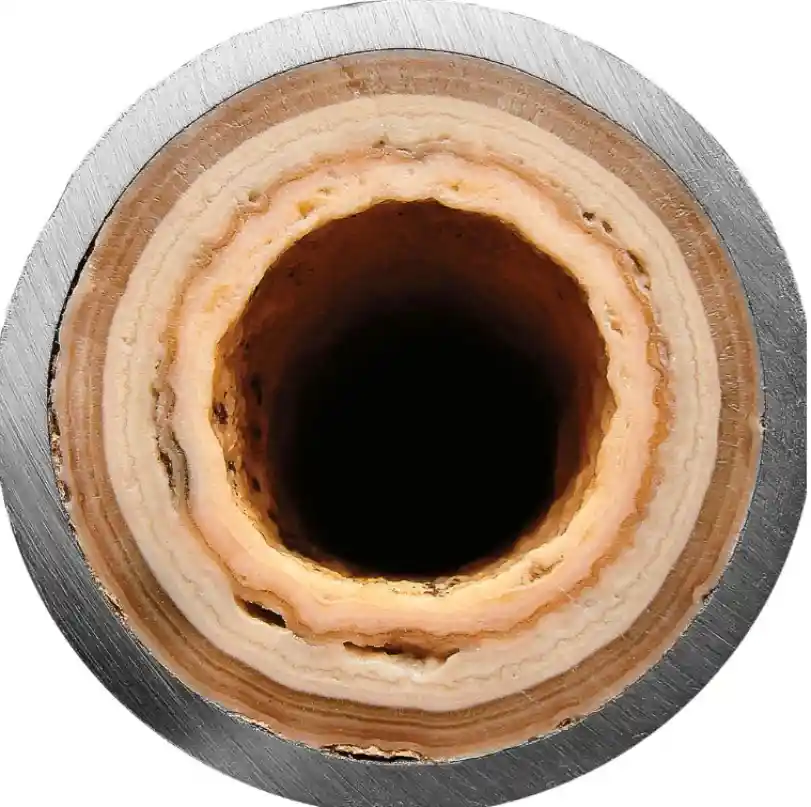
Water can carry dissolved calcium and magnesium. As water is heated and replenished, mineral material may collect inside a storage tank. In some conditions a deposit layer forms along heated surfaces. Water moving or heating beneath those deposits can generate bubbling, crackling or rumbling sounds.
A. O. Smith’s technical guidance identifies mineral buildup and certain other deposit conditions as possible causes of tank popping and rumbling. The explanation is most relevant to conventional storage water heaters. It does not mean every noise is caused by hard water, and you cannot measure sediment depth from sound alone.
What about electric tanks, heat traps and nearby pipes?
Electric heating elements and scale
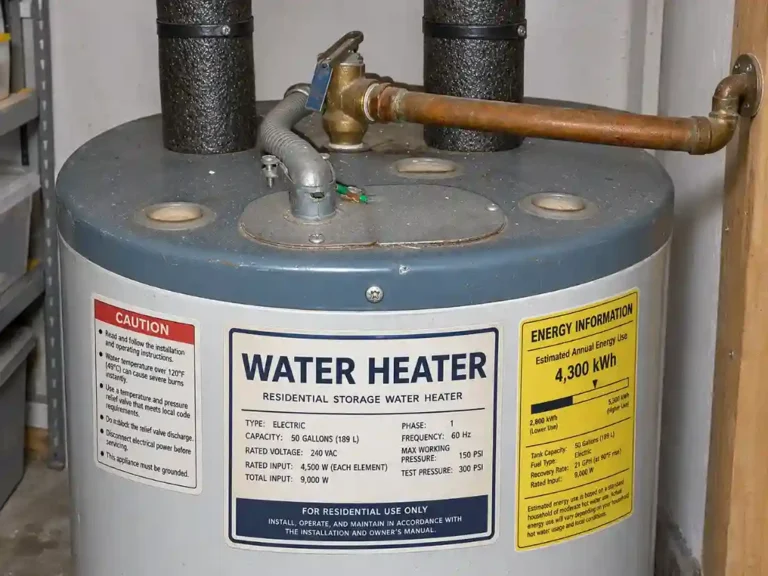
Electric storage tanks heat water with immersed elements rather than a gas burner underneath the tank. Deposits may affect element surfaces and create different noises or heating symptoms. If hot water also runs out earlier than before, both heating-element performance and possible deposits deserve consideration.
Heat traps and thermal movement
Some heaters use heat-trap fittings to reduce unwanted heat movement through connected pipes. Valves and piping can click or tick as flow and temperature change. A short, familiar tick is not the same complaint as repeated heavy rumbling or an alarming bang.
Water hammer
If the bang happens when a toilet fill valve, washing machine or faucet shuts, the pressure wave may be occurring in connected pipes rather than inside the heater. Water hammer requires attention to the plumbing system and its pressure/valve behavior; flushing the tank is unlikely to solve that problem.
Condensation or a leak
A sizzle can sometimes happen when condensate reaches a hot surface in certain gas heaters. Persistent water around the heater, however, should not be dismissed as harmless condensation. Check the visible location of moisture without touching hot parts or disturbing gas and electrical connections.
Does water hardness matter in Queen Creek?
Mineral deposits are a credible maintenance consideration, but there is no one water chemistry result for every Queen Creek, AZ 85142 home. The Town’s local water provider information shows that different utilities can serve different addresses. The specific provider’s quality report, the heater model, the water temperature and actual usage matter more than a generic statement that “Arizona water always causes this.”
Water treatment can be part of a wider discussion when measured hardness and equipment requirements justify it, but a heater sound does not by itself establish that a water softener is needed.
Should you flush a popping water heater?
Draining and flushing are manufacturer-described maintenance methods for some heaters with sediment, but they are not a universal DIY fix. The process handles very hot water and, on electric heaters, incorrect draining/refilling can damage elements. Older or neglected tanks may also have deteriorated fittings that require careful assessment before service.
A technician should identify the unit and review the manufacturer’s maintenance instructions before advising flushing, sediment removal, component checks or replacement. Never open gas fittings, bypass a temperature-and-pressure relief valve, or energize an electric tank known to be empty.
When does the noise point toward repair or replacement?
Noise plus weak recovery, leaks, discoloration or abnormal burner behavior may call for a broader inspection. A sound alone does not dictate a new water heater. A repairable control, fitting or maintenance issue should be distinguished from a compromised storage tank or a unit that cannot meet household demand.
For the professional diagnosis of a storage-tank issue, see Water Heater Repair in Queen Creek, AZ. If the tank’s condition or capacity leads to a replacement discussion, our Water Heater Replacement & Installation page explains that separate service.
What to tell a plumber about the sound
- Is the heater gas, electric, or an on-demand tankless model?
- Does the sound occur during heating, water use, or immediately after a valve closes?
- Is it a rumble, a series of pops, a tick, a hiss, or a sharp bang?
- Is hot-water delivery also changing?
- Is there a drip, puddle, soot, unusual odor or warning display?
- When did the sound first appear, and has it become more noticeable?
A short recording made from a safe distance may help describe the pattern. It cannot replace inspecting the equipment.
Common questions about water-heater noises
Is a popping water heater dangerous?
Some popping is associated with sediment or condensation and may not signal an immediate emergency. The actual risk depends on the cause and accompanying signs. A sudden loud bang, gas odor, combustion warning, persistent leak or abnormal operation deserves prompt professional attention.
Will rumbling stop if the tank is flushed?
It may, if removable sediment is responsible and flushing is appropriate for the specific heater. Other noises, faulty components and deteriorated tanks will not be corrected simply by draining water.
Why does the heater tick after a shower?
Piping and fittings can move slightly as they heat and cool. Heat-trap components and flow changes may also produce sound. Note whether the tick is familiar and brief or accompanies leaks or a new operating problem.
Do tankless heaters make the same sounds?
Tankless water heaters have different flow, heating and scaling conditions. A tankless fault code or temperature/flow complaint should be reviewed under tankless water heater services rather than applying a storage-tank flushing assumption.
Need help identifying a water-heater noise?
If the sound is new, getting louder, or accompanied by poor hot-water delivery, see Creekline Plumbing’s Water Heater Repair service in Queen Creek for help evaluating the existing unit.
Technical sources and further reading
- A. O. Smith — Water-Heater Technical Bulletins (noise and mineral deposits)
- A. O. Smith — Common Water-Heater Sounds
- Town of Queen Creek — Local Water Providers
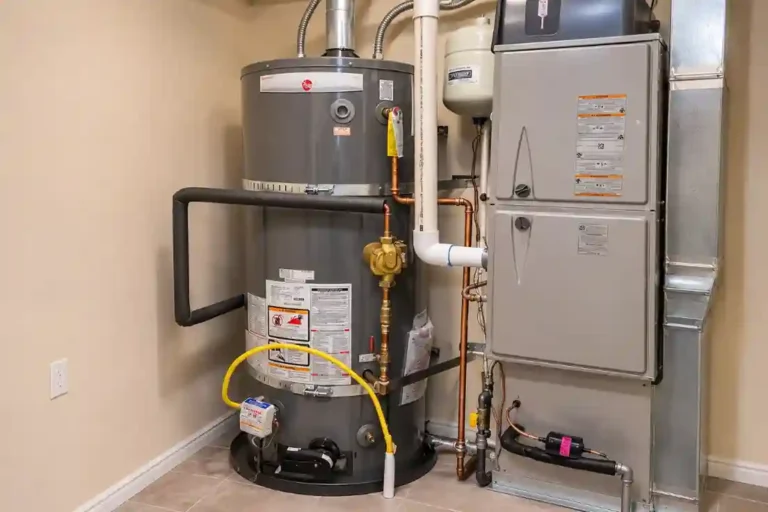
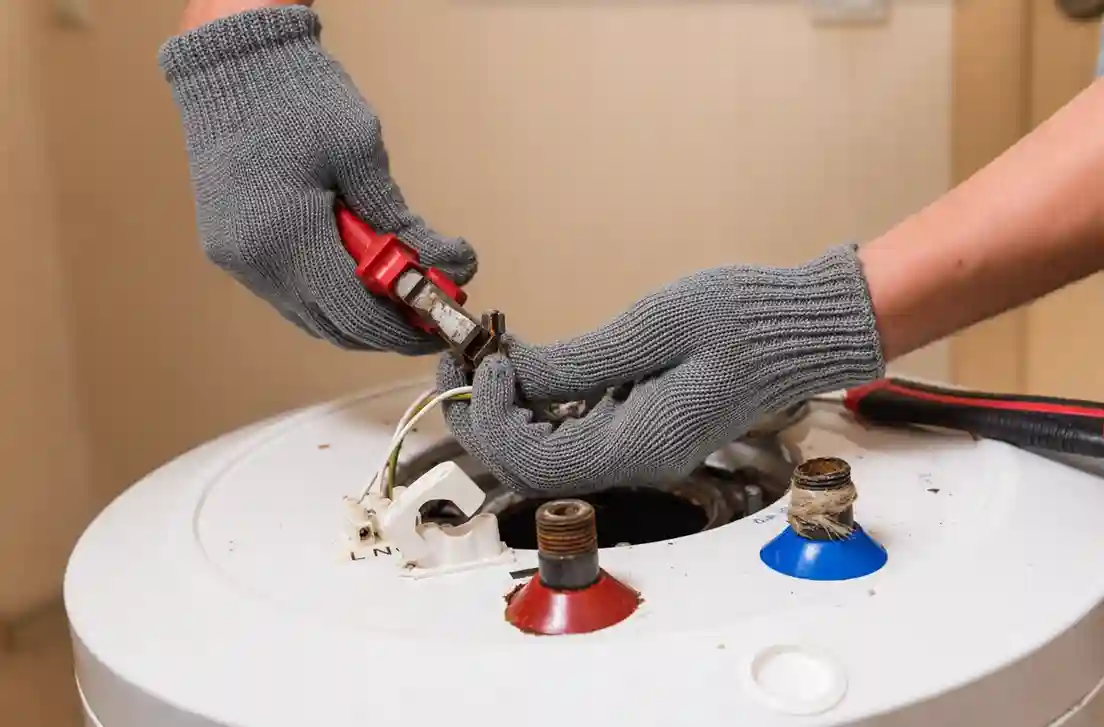
Images are illustrative; the exact heater model and installation determine safe maintenance procedures.
Featured image: edited illustrative image based on source photograph by Nenad Stojković (CC BY 2.0). The image is illustrative, not a Creekline Plumbing job photograph.