Why Does the Same Drain Keep Clogging After Snaking?
The drain was snaked, the water finally went down, and you thought the problem was over. Then the same sink, shower or floor drain started slowing again. It’s frustrating, especially when you already paid to have the line cleared. But a returning clog doesn’t automatically mean the plumber did something wrong—or that the entire pipe needs replacing.
Snaking can break through or pull out an obstruction. Whether that solves the problem for good depends on what caused the restriction, where it sits, and what condition the pipe is in. The next step is to figure out why the same section keeps causing trouble, not simply repeat the last cleaning method without new information.
Why a drain can flow again without being completely clear
A cable auger, sometimes called a drain snake, works through a pipe to break up or retrieve certain obstructions. If a cable opens a passage through packed debris, water may flow freely right afterward. That doesn’t prove every deposit along the pipe wall is gone or that a damaged section has been corrected.
Imagine a narrow opening cut through a thick buildup of grease. The line can drain again, but the remaining material may catch more waste. Or a cable may cut through roots entering a joint without sealing the opening those roots used. Different causes call for different follow-up decisions.
The EPA’s sewer cleaning and inspection guidance distinguishes mechanical rodding from hydraulic cleaning, noting that techniques remove different types of material. That is why “the drain was snaked” tells you what was attempted, not everything about the pipe’s condition afterward.
What keeps making the same drain clog?
Grease and buildup inside a kitchen branch drain
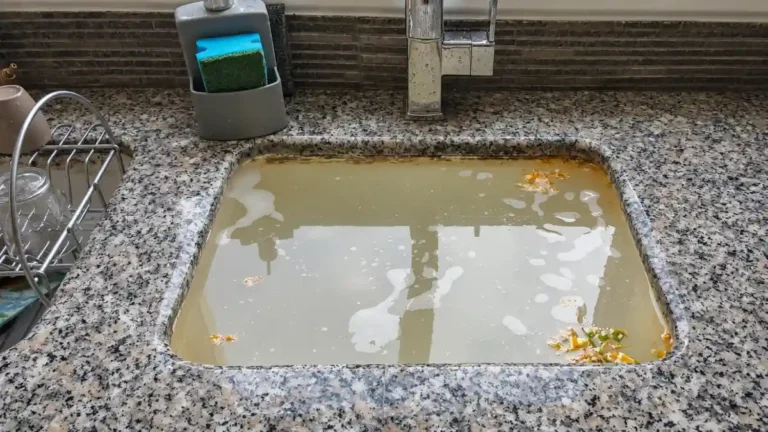
Cooking oils, fatty residue and food particles can stick to the inside of the kitchen drain. A partial opening may restore flow, but repeated exposure can build a restriction again. The Town of Queen Creek advises homeowners not to send grease down sink drains, even when a garbage disposal is present. If repeated kitchen clogs are the pattern, what goes into the drain is worth reviewing alongside the cleaning record.
Hair, soap residue and objects caught in a bathroom drain
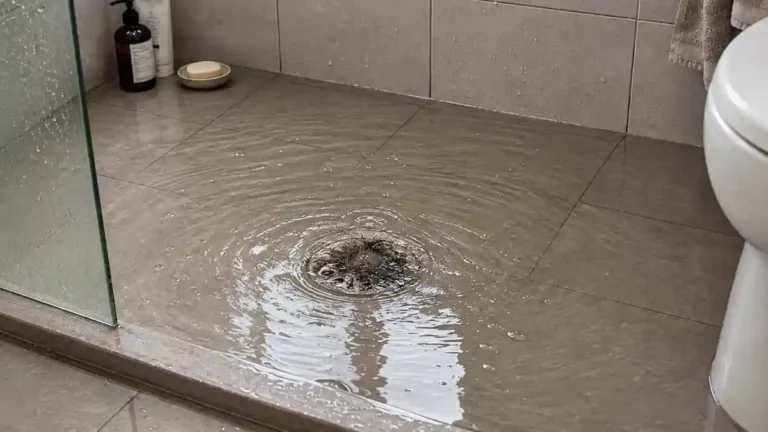
A shower or tub drain can collect hair and other residue near the strainer, stopper, trap or farther down the branch. Sometimes the obvious obstruction is easy to access; other times a recurring slow drain suggests there is more material beyond the fixture opening. Not every slow shower is a main sewer problem.
Roots or debris entering a damaged sewer line
Where roots reach an opening in an underground sewer lateral, cutting them back can reopen the passage without correcting the entry point. Roots may return. A camera inspection can sometimes show root intrusion, displaced joints or other defects when the line is sufficiently clear to inspect. That result matters much more than assuming “roots” from the age of the house or the trees in the yard.
A low spot, misaligned joint or deteriorated pipe
Some pipes hold debris because of their grade, joints or condition. A sagging section can allow solids to settle; a displaced connection can snag paper or other material. These are possibilities to investigate if repeated cleaning doesn’t hold—not reasons to quote an excavation before inspecting.
How soon did the blockage come back?
The timing alone won’t diagnose the cause, but it gives the next technician a starting point. Don’t just say “it keeps clogging.” Say what worked, how long it worked, and which fixture started acting up first.
| What happened after snaking | What to ask about next |
|---|---|
| Never drained normally afterward | Was the correct section reached? Did the tool actually clear the restriction? |
| Worked for a day or two, then slowed | Was there remaining material, an unreached blockage or a recurring appliance/fixture issue? |
| Worked for weeks or months | What is entering the drain again? Is there a recurring deposit or structural condition? |
| Several drains started backing up together | Could the restriction be in a line they share rather than the individual fixture? |
A kitchen sink that backs up only when the dishwasher pumps out also has a different clue: the appliance may discharge into the same branch drain. That situation needs a check of the disposal connection, dishwasher hose and kitchen drainage route before assuming anything about a buried sewer line.
Should you pay for another snaking, hydro jetting or a camera inspection?
No method is automatically the best choice. It depends on what the last cleaning found, how the pipe is built, whether there is a safe access point, and whether the underlying problem is loose debris or an actual defect.
- Another cable cleaning may be reasonable when the first attempt did not reach the obstruction or when a localized blockage can be cleared safely. Ask why repeating it is likely to produce a different result.
- Hydro jetting can remove some types of buildup by directing water through the pipe at pressure. Pressure, nozzle selection, pipe condition and access matter. It is not automatically suitable for a fragile or damaged line.
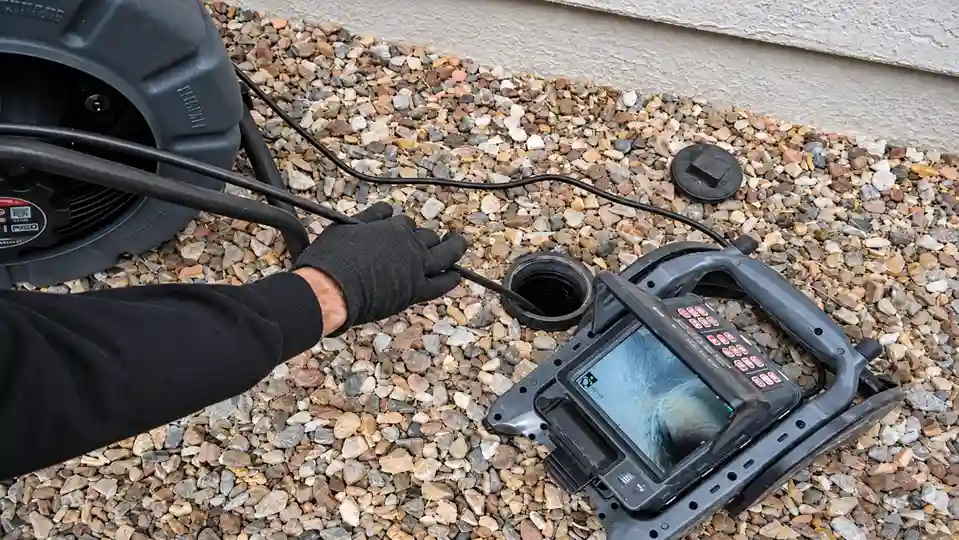
- Camera inspection may be useful after repeated backups or when an underlying defect is suspected. It can show some conditions inside an accessible, adequately cleared line, but it cannot guarantee that every problem will be visible.
- Targeted repair becomes a separate conversation if credible inspection findings show a damaged section. A blockage alone does not establish a need for pipe replacement.
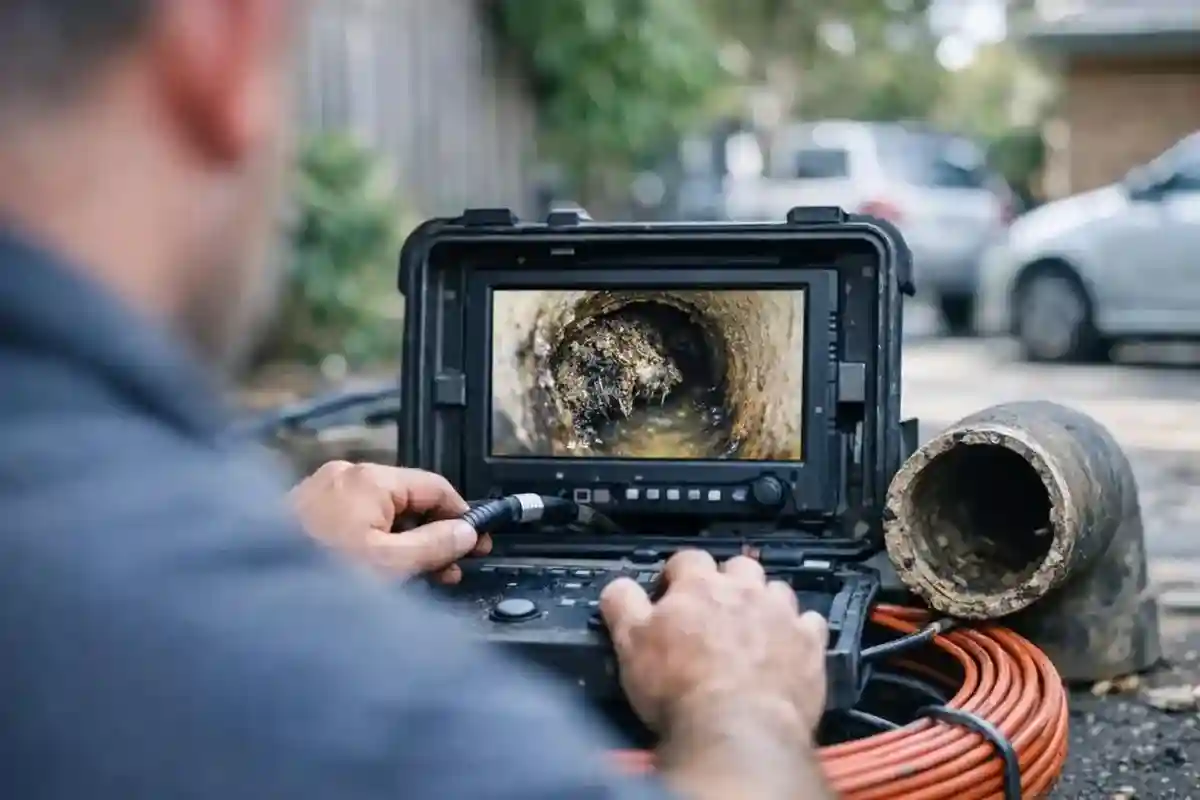
A camera isn’t a repair. If someone recommends inspection, ask what question the camera is expected to answer. If they recommend repair, ask to see the finding, where it is located and why cleaning alone would not address it.
What should you ask about the last drain cleaning?
A previous invoice can be surprisingly useful. If you have one, look for the type of fixture, access point, cleaning method and any comments about what came out of the line. If you don’t have a report, write down what you remember while it’s fresh.
- Which drain was accessed? Under a sink, through a floor drain, at a toilet opening or through an outdoor cleanout?
- How far did the tool go? This can help show which section was attempted, though distance alone doesn’t prove a blockage’s exact location.
- What material came back? Hair, wipes, grease and roots point to different possible sources.
- Did the line pass a flow check afterward? A successful test says something about performance at that moment, not necessarily long-term pipe condition.
- Was a defect observed or only suspected? Keep those two statements separate when comparing proposed next steps.
If more than one fixture is backing up, mention that before another cleaning begins. It may change which pipe needs inspection and whether the service is routine or urgent.
What can you change at home while the cause is being investigated?
If wastewater is backing up, stop using the affected drains and arrange an assessment. Do not continue flushing or running appliances into a restricted line. If the drain is merely slow and there is no overflow, you can reduce materials likely to contribute to future buildup:
- Scrape food scraps into the trash and keep cooking grease out of the sink.
- Use a suitable hair catcher in showers or tubs and clean it regularly.
- Flush only human waste and toilet paper; wipes aren’t a safe substitute, even when the package says “flushable.”
- Avoid repeated chemical drain-cleaner treatments, especially if a plumber may need to open the line later.
These steps help prevent some blockages. They won’t straighten a sagging pipe, repair a damaged joint or remove an existing deep obstruction.
When is a different repair discussion justified?
If an inspection shows a specific damaged branch drain, a targeted drain line repair may be relevant. If the defect is in the building sewer rather than a branch serving one fixture, the sewer line repair decision is different again. Neither page should be treated as the default answer without evidence about location and condition.
Before paying to clear the same drain again
Tell the technician which fixtures are affected, what method was used last time and how long the result lasted. Creekline Plumbing’s drain cleaning service in Queen Creek explains how a clearing approach can be selected based on the symptoms and accessible line.
Frequently asked questions
Does a drain clogging again mean snaking doesn’t work?
No. Snaking can clear many obstructions. A quick return can mean there is remaining debris, repeated material entering the pipe, or another condition that needs investigation.
Will hydro jetting permanently stop recurring clogs?
Not necessarily. It may remove suitable buildup, but it won’t fix every structural defect or prevent new material from entering the drain. Pipe condition should be considered first.
Do I need a sewer camera every time a drain backs up?
No. Camera inspection can help when clogs repeat, the location is uncertain or damage is suspected. Whether it adds value depends on the symptoms and results of the initial work.
Does a recurring clog mean I need to replace the pipe?
No. Replacement should be based on demonstrated condition and the scope of any defect, not simply on having more than one blockage.
Official references: U.S. EPA — Sewer Cleaning and Inspection; Town of Queen Creek — Sewer Backups; Town of Queen Creek — What to Flush.