
Toilet Repair, Replacement & Installation
Queen Creek, AZ
A toilet that keeps running, rocks at the base, or needs several flushes can be frustrating. Some problems involve replaceable parts, while others point to a damaged toilet or connection.
Toilet repair and installation cover leaking seals, faulty flushing components, and installing new fixtures. Checking the toilet, flange, and supply connection helps distinguish a straightforward repair from replacement.
Running, leaking, rocking, or not flushing right?
Sometimes a toilet keeps filling long after a flush. Sometimes the bowl won’t clear, the base feels loose, or water shows up on the bathroom floor. Those symptoms don’t all point to the same repair. For toilet repair in Queen Creek, AZ, the starting point is the fixture itself: where water enters, how the tank releases it, whether the toilet is secure, and where waste goes after a flush.
- Water keeps runningA worn flapper, flush-valve seal, fill valve, or incorrect tank water level may be allowing water to keep moving.
- Tank refills on its ownA brief refill when nobody has flushed can mean water is escaping from the tank into the bowl, even with a dry floor.
- Water around the baseThe supply connector, tank bolts, tank-to-bowl gasket, condensation, or base seal may be responsible. The location matters.
- Weak or incomplete flushLow tank water, a flush mechanism problem, rim-jet buildup, or an obstruction in the toilet trap can affect performance.
- Toilet rocks or shiftsLoose mounting, a damaged closet flange, or an uneven or weakened floor can prevent a stable, watertight connection.
- Repeated clogsA restriction may be inside the toilet. If the shower or another toilet backs up too, a shared drain may be involved.
If water is rising toward the rim, stop flushing. Close the toilet’s accessible shutoff valve if it is safe to operate. Keep people away from sewage-contaminated water. A backup affecting multiple fixtures is more urgent than a single running tank.
Queen Creek toilet repair: identify the faulty part
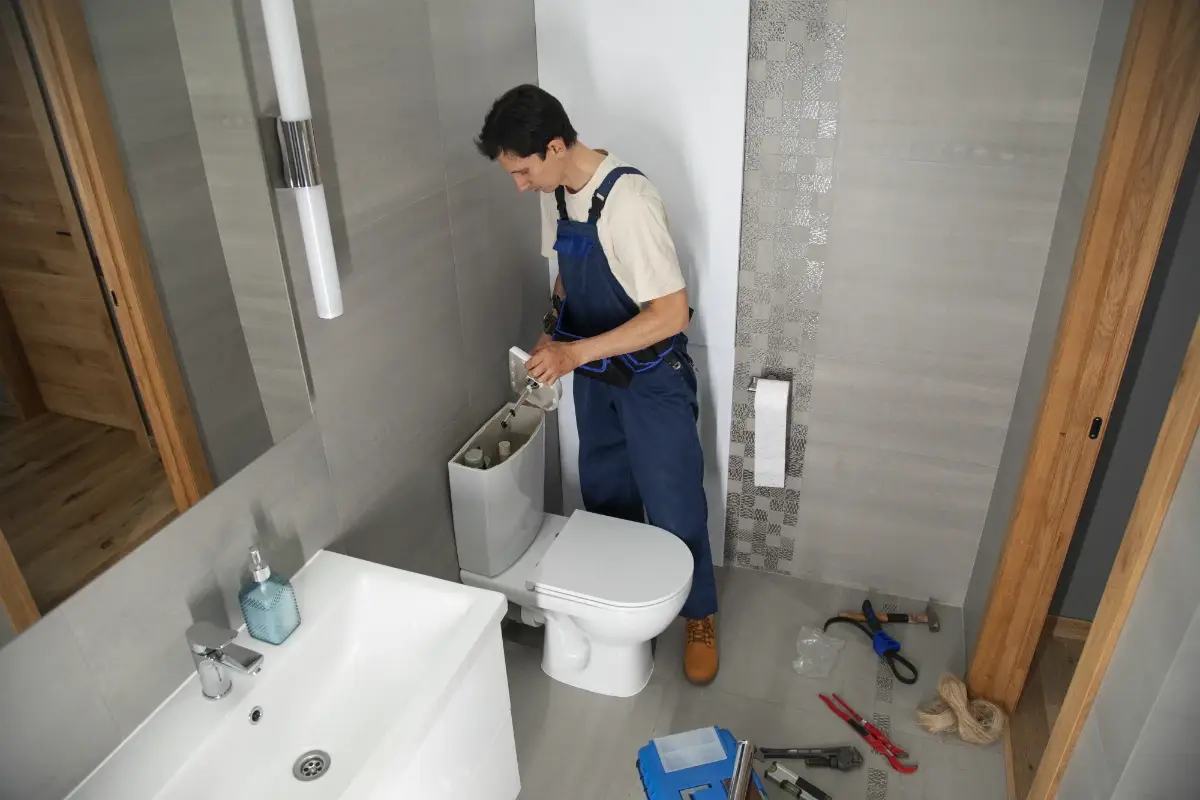
Most routine toilet faults begin with a component, connection, or adjustment—not a failed porcelain bowl. A toilet that’s otherwise in good condition may only require a compatible part, a corrected water level, or attention to the mounting connection. The repair should address the source, not just the visible symptom.
Running tanks and phantom flushing
After a normal flush, the fill valve should refill the tank and shut off. If water keeps spilling into the overflow tube, the fill valve or float setting may be at fault. If the tank slowly loses water into the bowl and refills again later, the flapper or flush-valve seal may not be holding. A chain that catches beneath the flapper can also prevent it from sealing. These clues point to different repairs, even though all can waste water.
Flush handles, chains, and weak flushing
A loose handle, binding trip lever, or chain that is too tight or too slack can interrupt the flush cycle. Low tank water, a worn flush mechanism, deposits around the rim openings, or a partial obstruction can also leave waste behind. The tank, bowl, and immediate outlet are considered together rather than assuming the drain line is blocked.
Leaks at the supply line, tank, or floor
Water can travel down the outside of a toilet before collecting at the base. A leaking shutoff valve, supply connector, tank bolt, or tank-to-bowl gasket may look like a failed wax ring. Moisture that appears primarily during flushing raises different questions than a drip that develops while the toilet is idle. A cracked tank or bowl requires a different decision from a serviceable seal.
Loose toilets and flange problems
A rocking toilet shouldn’t simply be tightened until it stops moving. The closet flange, mounting bolts, existing seal, and supporting floor need to be sound. Overtightening can damage porcelain; replacing a seal without correcting an unstable flange can leave the original problem unresolved.
Repair doesn’t have to mean replacing everything. A sound fixture with a worn fill valve or seal is a different job from a toilet with cracked porcelain or a damaged mounting surface. The recommendation should reflect that difference.
When is toilet replacement the better choice?
Toilet replacement in Queen Creek, AZ can make sense when the fixture is damaged, recurring repairs are no longer practical, or the homeowner wants a different fit or flushing design. But a running toilet alone is not a reason to throw out a working bowl and tank.
Repair may be the sensible option
- The tank and bowl are intact, and a compatible part can address the fault.
- A leak comes from a serviceable supply connection, gasket, or tank component.
- The fixture fits the bathroom and flushes properly once the identified issue is corrected.
- The flange and supporting floor can be made secure without replacing the toilet itself.
Replacement deserves consideration
- The porcelain is cracked, leaking, or otherwise unsafe to keep in service.
- Appropriate repairs have failed repeatedly, or replacement parts are no longer practical to source.
- The homeowner wants a different bowl shape, seating height, flushing system, or water-use performance.
- The replacement is part of a bathroom remodel and the fixture will no longer suit the planned space.
A replacement quote should distinguish the toilet itself from the labor and any work underneath it. Removing the old fixture may reveal flange damage, a deteriorated mounting surface, or a supply valve that also requires service. Those items should be explained as part of the scope rather than silently treated as included.
Toilet replacement and installation in Queen Creek, AZ
Replacing an old toilet involves more than setting a new fixture on the bathroom floor. The existing water supply, drain connection, mounting surface, and replacement toilet all need to work together. Whether you’re replacing a leaking toilet or upgrading your bathroom, the installation should leave the fixture stable, properly sealed, and flushing as intended.
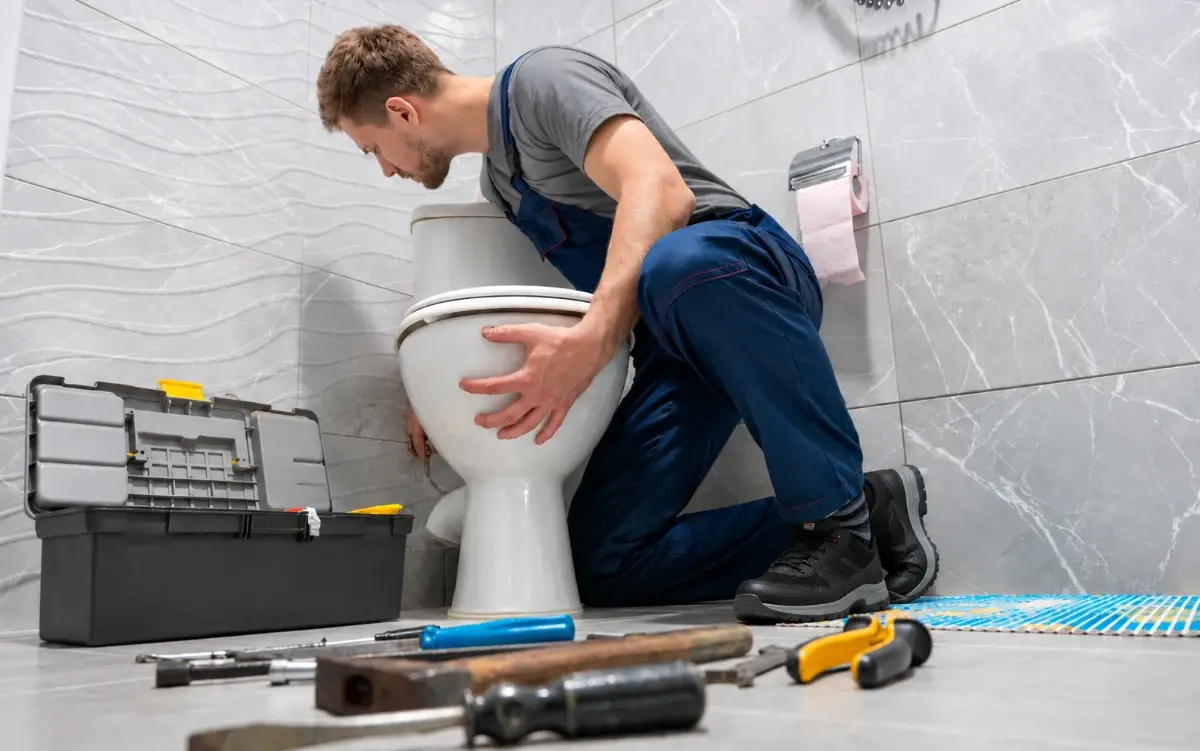
Removing the old toilet and checking the connection
Before removal, the toilet’s water supply is shut off and the tank and bowl are emptied as appropriate. Once the old fixture is lifted, the plumber checks the closet flange, mounting bolts, floor condition, and accessible shutoff valve and supply connector. A broken flange or weakened subfloor needs attention before the replacement is set.
Setting and securing the replacement toilet
The new bowl is positioned over the drain opening with a compatible seal, then secured without overtightening the mounting hardware. A two-piece toilet also needs its tank, tank-to-bowl gasket, and hardware installed according to the model’s instructions. A toilet that rocks or shifts is not ready for a final leak check.
Connecting the water supply and testing the flush
After the water supply is connected, the tank is filled and accessible connections are checked for drips. The fill valve, flush mechanism, tank seals, and toilet base are checked as appropriate. Test flushes help confirm that water fills, releases, and drains properly without visible leakage.
Already purchased a replacement toilet?
Share the make and model before installation. The rough-in distance, bowl projection, seat height, tank clearance, door swing, and water-supply position all affect fit. Also check whether the toilet includes a seat, mounting hardware, seal, and supply connector; not every model comes with the same parts.
Installing a toilet somewhere new
Moving a toilet across the bathroom or adding one in a new room involves more than setting a fixture. The drain route, venting, water supply, floor opening, and any required approvals may all change. That work needs its own assessment and scope, separate from a standard replacement.
Choosing a replacement toilet that fits your household
Round-front bowls may suit tighter bathrooms, while elongated bowls offer a different seating profile and need enough front clearance. One-piece and two-piece designs also differ in cleaning access, handling, and replacement-part considerations. Seat height, accessibility preferences, flushing performance, and available space belong in the selection—not just color or price.
Fit and day-to-day use
Measure the available space, confirm the rough-in, and compare the model’s actual dimensions. Check nearby cabinets and doors, the seat height, and whether a chosen toilet will be comfortable for the people using the bathroom.
Water-efficient flushing
EPA WaterSense-labeled toilets use 1.28 gallons per flush or less and are independently certified for water efficiency and flushing performance. Savings depend on the fixture being replaced and household use; the label does not override fit or installation requirements. Review EPA’s WaterSense toilet guidance.
A stubborn toilet clog—or a problem farther down the drain?
A toilet can clog because of an object in its internal trap, too much paper, or a restriction near the fixture. A repeated clog doesn’t automatically mean the toilet needs replacement. The pattern across the bathroom matters: a single bowl struggling to clear suggests a different starting point from wastewater rising in the shower when the toilet flushes.
If more than one fixture backs up, the next step may be a drain-cleaning assessment, not another toilet part. If there’s sewage on the floor or an active backup spreading through the home, review emergency plumbing guidance and stop using affected fixtures until the situation is assessed.
A quiet toilet leak can be checked without taking the fixture apart
A toilet may lose water from its tank into the bowl without leaving a drop on the floor. The Town of Queen Creek provides a simple color-dye check that can help distinguish this from some other household water-use problems. It is a screening check, not a full diagnosis of every possible leak.
- Remove any in-tank cleaning or disinfecting product. Flush and let the tank refill.
- Look for water spilling into the overflow tube, then add a few drops of food coloring or toilet-testing dye to the tank.
- Wait 15–20 minutes without flushing the toilet.
- If colored water appears in the bowl, water is passing from the tank into it. Flush afterward to clear the dye.
The flapper and valve seals are common places to investigate after a positive result. The Town’s Home Water Leak Check explains this method and broader meter-based leak checks.
When the floor is wet instead
If moisture appears at the tank connection or supply hose while the toilet is idle, the leak may be on the supply side. Water appearing during a flush may involve the bowl outlet or base connection. Condensation can also collect on a cold tank. The timing and source should be traced before replacing a wax seal or the entire toilet.
If water use remains unexplained after toilet issues are ruled out, the problem may belong under residential leak detection.
What affects toilet repair and installation costs?
Replacing a flapper isn’t the same job as installing a new toilet, and swapping a fixture in the same location isn’t the same as moving its drain. The condition of the existing connections, required materials, and any work uncovered after removal determine the scope.
For a toilet repair
Cost depends on the cause and access: a tank part, shutoff valve, supply connector, tank gasket, loose mounting, or a toilet that must be lifted for flange work. Diagnosis should establish what is being repaired and whether other work is separate.
For replacement or new installation
The toilet model and who supplies it, removal and disposal of the old fixture, new seals or supply parts, floor condition, rough-in compatibility, and flange repairs can change the job. Relocating a toilet can also involve drainage, venting, and building work.
Clear scope before work. The proposed work and price should identify the fixture and labor, what removal or disposal includes, and how unexpected flange or flooring issues would be handled. No blanket price or claim about no-charge diagnostics applies to every situation.
What happens during a toilet service visit?
Describe the issue
A running tank, floor leak, repeated clog, or a new toilet waiting to be installed tells us what kind of visit to discuss. A purchased model number is useful for fit questions.
Coordinate the visit
We discuss the service request and scheduling options, including whether an active overflow or uncontrolled leak calls for urgent attention.
Find the cause and explain the scope
Relevant tank parts, connections, fixture fit, or accessible drainage are evaluated. The proposed repair or installation scope and price are reviewed before work proceeds.
Repair or install, then check
After the agreed work, the toilet’s filling, flushing, stability, and accessible connections are checked as appropriate to the job.
When should a toilet problem be treated as urgent?
A toilet that refills every so often usually calls for a routine repair conversation. A supply line leaking uncontrollably, an overflowing bowl, or sewage backing up through another fixture is different. Stop flushing, shut off the accessible toilet valve if safe, and avoid contact with wastewater.
Creekline Plumbing accepts emergency plumbing calls 24/7. Technician availability and the next appropriate response are confirmed by phone; a call line accepting urgent requests is not a guarantee of an immediate arrival.
Toilet repair, replacement, and installation questions
Can you repair a running toilet without replacing it?
Often, yes. A worn flapper, fill valve, flush-valve seal, or handle mechanism may be the cause while the porcelain remains sound. The failed part and its compatibility should be established before a full replacement is recommended.
Why does the tank refill when nobody has flushed?
Water may be escaping from the tank into the bowl past the flapper or valve seal. That can trigger the fill valve even though the bathroom floor is dry. A dye test can help show whether that internal leak is occurring.
How can you tell whether the flapper or fill valve is causing the problem?
Water continually spilling into the overflow tube can point to a fill-valve or float problem. If the tank slowly empties into the bowl between flushes, the flapper or flush-valve seal may be leaking instead. The water level and a dye check can help narrow it down, but the failed part still needs to be identified for the specific toilet model.
Does water around the toilet mean the wax ring is bad?
Not necessarily. Supply fittings, tank bolts, the tank-to-bowl gasket, and condensation can all leave water near the base. The timing and starting point of the leak matter more than where the puddle eventually collects.
What is the rough-in measurement for a new toilet?
It is the distance from the finished wall behind the toilet to the center of the drain connection or flange bolts. Twelve inches is common, but other sizes exist. The model’s specification and available room clearance still have to match.
Can a replacement toilet use the existing water and drain connections?
Often, when the rough-in, flange, supporting floor, and water supply are sound and compatible with the new toilet. A damaged flange, shutoff valve, or incompatible fixture can change the installation work.
Can a toilet be installed in a different part of the bathroom?
That may be possible, but it is a plumbing alteration rather than a simple fixture swap. Moving the toilet can involve rerouting waste piping, venting, supply plumbing, and floor access; the plan and any approvals depend on the property and scope.
Why does my toilet clog again after being cleared?
The obstruction may remain in the toilet’s trap or may be farther along the connected drain. If the shower, sink, or another toilet also backs up, a shared drainage issue deserves attention before replacing the toilet itself.
Is a WaterSense toilet worth considering?
A WaterSense-labeled toilet can reduce water use compared with some older fixtures. EPA-labeled models use 1.28 gallons per flush or less and meet independently certified performance criteria. Compare flush performance, bathroom fit, and the current toilet before deciding.
Does a replacement quote include removing the old toilet?
Removal, haul-away, the new fixture, connector, flange work, and floor repairs are distinct cost items. The proposed scope should state which are included, especially when the condition beneath the old toilet is not visible yet.
What if the toilet is overflowing right now?
Stop flushing and close the accessible shutoff valve if it is safe to operate. Keep people away from wastewater and avoid using connected fixtures if more than one drain is backing up. Describe the active leak or overflow when calling for emergency help.
Running toilet, base leak, or a new toilet ready to install?
Creekline Plumbing provides residential toilet repair, replacement, and installation in Queen Creek, AZ 85142. Whether the tank keeps filling, water appears around the base, or you’ve picked out a replacement, call with a quick description of the issue. We’ll discuss the appropriate service and available next steps.