Why Does My Hot Water Run Out So Fast?
A shower starts out hot, then turns lukewarm before you are done. Or the first person gets a comfortable shower and the next person does not. A water heater that runs out of hot water quickly may be reaching its normal capacity—or it may no longer be heating and storing water as it should.
Start by noticing when the water turns cold, whether the same thing happens at more than one fixture, and whether this problem is new. High demand, inadequate tank recovery, a failed electric heating element, a thermostat issue, a damaged dip tube, and plumbing-side mixing problems call for different solutions. A shorter shower is not automatically proof that the heater needs replacement.
First, find out what changed
Think about a normal week in your home. Did the problem begin after an extra family member moved in, a larger showerhead was installed, or back-to-back laundry and shower use became routine? Or does hot water now disappear during a shower that used to work perfectly? Those are different clues.
| What you notice | What it may suggest | Useful next question |
|---|---|---|
| Hot water only runs out during consecutive showers | Peak usage may exceed the tank’s available supply and recovery | How many fixtures are using hot water at once? |
| Hot water suddenly lasts much less time than before | A heating, dip-tube, or mixing problem may have developed | Did anyone change a setting or replace a fixture? |
| Only one shower cools off; faucets remain hot | A shower mixing valve or fixture-specific issue is possible | Does another fixture stay hot at the same time? |
| Every fixture is lukewarm from the start | Thermostat, heating operation, or distribution/mixing issues need checking | Is the heater operating normally? |
| Hot water returns after a waiting period | The tank may be recovering, though the recovery rate could be inadequate | How long before a comfortable supply returns? |
These are patterns, not diagnoses. A professional should verify the actual heater and plumbing conditions before parts are replaced.
Tank capacity and recovery are two separate things
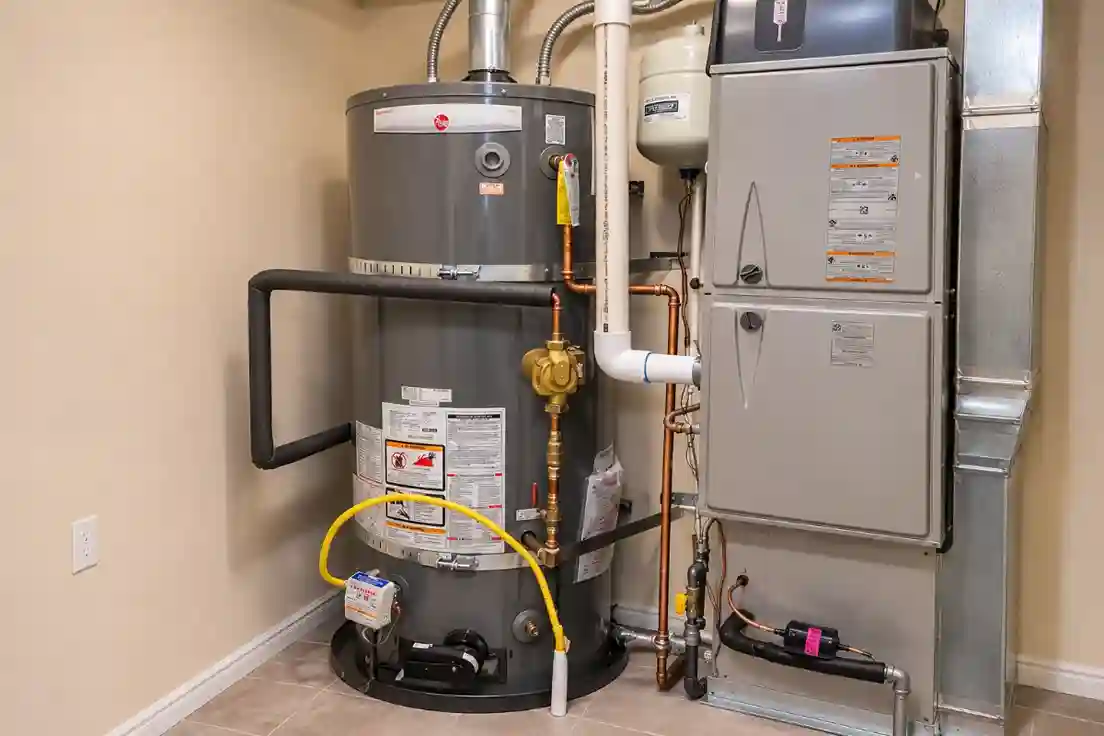
A conventional storage water heater heats water and keeps it in a tank. When hot water is drawn at a faucet or shower, cold water enters the tank. Eventually, the heater must replenish what has been used. A gas burner or electric heating elements determine how the water reheats, while the tank stores the available supply.
This is why a tank’s gallon label alone does not tell the full story. The first-hour rating (FHR) estimates how much hot water a storage heater can supply during an hour beginning with the tank fully heated. It reflects storage and recovery together. When evaluating a replacement, a plumber should compare household peak demand with the heater’s documented FHR and the actual installation conditions, not rely only on the number of bathrooms.
A larger showerhead or overlapping uses can exhaust the usable supply sooner even when nothing has failed. Conversely, a unit with a malfunctioning component can feel undersized although it was previously adequate.
Six reasons a storage water heater may run out sooner
1. Household hot-water demand has increased
The first question is whether a working heater can keep up with the number of people, the length of showers, a large bathtub, and appliances that use hot water. If the shortage appears only during busy periods, the answer may involve staggering use or evaluating capacity rather than repairing a broken part.
2. An electric heating element is not doing its job
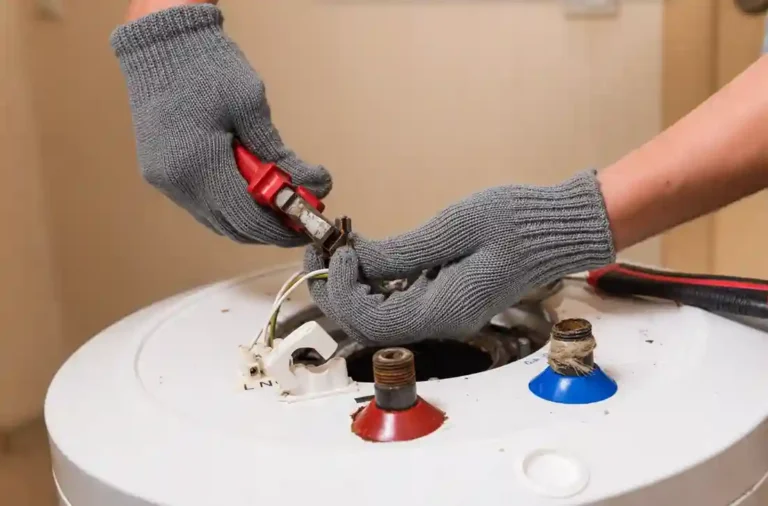
Many conventional electric storage heaters use upper and lower heating elements with thermostat controls. If one element fails, the heater may still produce some hot water but deliver less than expected or recover poorly. Testing electrical components requires appropriate equipment and safe isolation; it is not a reason to remove access covers while the unit is powered.
3. The thermostat or heating controls are not operating correctly
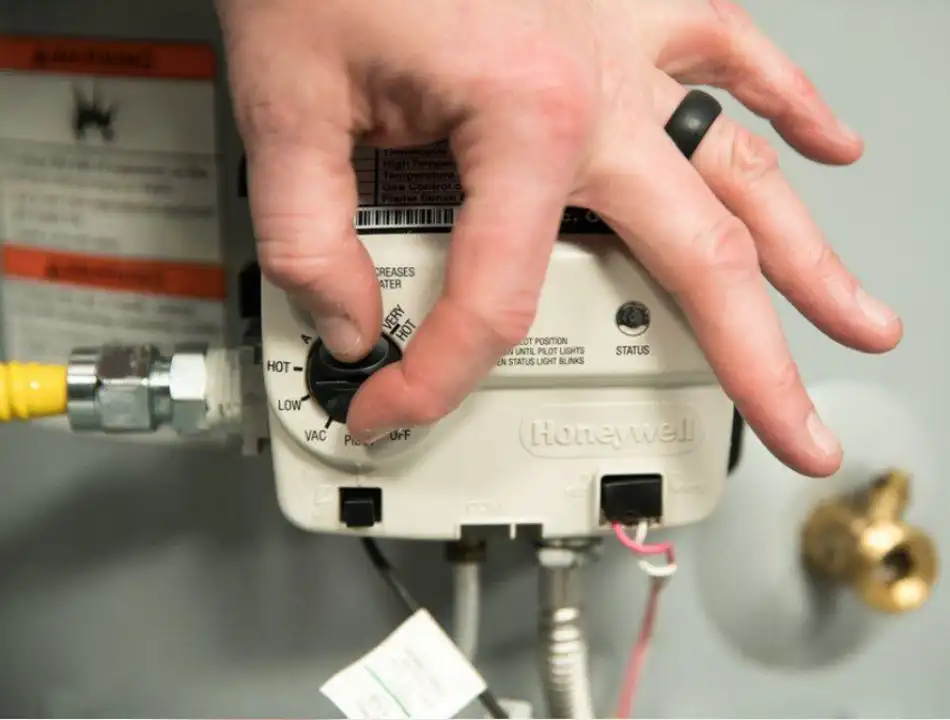
Incorrect settings and faulty controls can affect water temperature. A gas water heater also depends on its burner, ignition and gas controls; an electric unit relies on its heating circuits. The correct diagnosis depends on the make, model and symptoms. Raising the temperature to make showers last longer creates a scalding risk and does not repair a failed component.
4. The dip tube is damaged
A dip tube directs incoming cold water toward the lower part of many storage tanks. If it breaks or no longer directs that water properly, cold water can mix too quickly with hot water near the outlet. A damaged dip tube is one possible reason for a sudden reduction in usable hot water. The symptom alone cannot confirm it.
5. Mineral deposits or sediment are affecting performance
Minerals can settle out of heated water and accumulate in a tank. Deposits may contribute to reduced performance or noise, depending on the heater and the extent of buildup. Sediment is not the answer to every short-hot-water complaint: a working heater may simply be undersized, and a malfunctioning component may be the real cause.
6. Hot water is being lost or mixed elsewhere
A hidden hot-water leak, continuously running fixture, faulty mixing valve or hot-to-cold crossover can change what comes out of your taps. A plumber may need to compare temperatures near the heater and at multiple fixtures to separate a heater problem from a distribution problem. If unexplained water use is part of the picture, leak detection may be relevant, but not every temperature problem points to a leak.
Is the problem in the heater or one shower?
Before calling, make two safe observations without opening the heater. First, note whether hot water becomes lukewarm at a kitchen or bathroom faucet at the same time as the shower. Second, note whether the shower loses heat immediately or only after several minutes. If other fixtures stay hot, a shower valve or fixture-specific mixing issue becomes more plausible.
Do not remove access panels, work on electrical terminals, adjust gas fittings or disable safety controls to investigate. If there is visible leaking, exposed wiring, a gas odor or a carbon monoxide alarm, stop using the affected equipment and follow the appropriate emergency safety guidance.
Does Queen Creek water quality change the diagnosis?
Mineral content can matter for tank maintenance, but a home in Queen Creek, Arizona should not be assigned a universal water-hardness number. The Town of Queen Creek lists multiple local water providers, and the provider depends on the address. Local water chemistry is context, not proof that a specific heater is full of sediment.
A service visit should begin with the actual symptoms, heater specifications and condition. If a homeowner is also considering water treatment, the relevant water data and equipment requirements should be checked separately.
When is repair more reasonable than replacement?
If a replaceable electric element, thermostat, fitting or other accessible component is responsible and the tank is otherwise sound, repair may be a reasonable option. If the heater repeatedly fails to meet household demand because its capacity is insufficient, or if the storage tank has failed, replacement deserves a separate discussion.
Age alone does not settle that choice. Model, warranty, tank condition, diagnosis, access, household use and the cost of the proposed work all matter. Our water heater repair service in Queen Creek covers diagnosis of an existing heater. If a different unit is the better fit, see the water heater replacement and installation page for that distinct decision.
If the home uses an on-demand system rather than a storage tank, capacity is discussed differently: simultaneous flow and temperature rise matter. Those problems belong with tankless water heater services, not a storage-tank troubleshooting checklist.
What should a focused inspection cover?
- Confirm the heater type, model, settings and symptom history.
- Ask when hot water runs out and whether multiple fixtures are affected.
- Compare peak use with the tank’s first-hour rating and recovery capability.
- Test the appropriate electrical or gas-side components safely.
- Check for mixing, distribution, leakage and dip-tube possibilities as indicated.
- Explain what was actually found before recommending parts or a new heater.
Questions homeowners often ask
Why do I get hot water for only a few minutes?
Demand may exceed the usable supply, but a failed heating element, control issue, dip-tube problem or plumbing-side mixing can produce a similar symptom. Compare how the problem behaves at different fixtures before assuming the tank needs replacing.
Why does the second shower go cold?
Back-to-back showers may drain stored hot water faster than the heater can recover. If the same routine previously worked and has suddenly changed, a component or distribution problem should also be considered.
Will flushing the tank fix short showers?
Only if sediment is a meaningful contributor and the unit is suitable for that service. Flushing does not fix a failed element, an undersized tank, an incorrect mixing valve or a damaged dip tube. Follow the manufacturer-specific maintenance instructions and seek qualified help if unsure.
Does a larger water heater always solve the problem?
No. A new unit should be sized for household peak demand and installation requirements, and a fixture-specific mixing problem may persist after an unnecessary replacement.
Hot water running out sooner than it should?
If the same showers now turn cold much sooner than they used to, note the heater model, whether other fixtures lose hot water too, and when the change began. Creekline Plumbing’s Water Heater Repair in Queen Creek, AZ page explains the service available for evaluating an existing storage-tank system.
Technical sources and further reading
- A. O. Smith — Not Enough Hot Water (Gas)
- A. O. Smith — Not Enough Hot Water (Electric)
- U.S. Department of Energy — First-Hour Rating (FHR) definition
- Town of Queen Creek — Local Water Providers
Manufacturer documents describe general diagnostic possibilities. Follow the instructions and safety warnings for the specific installed unit.
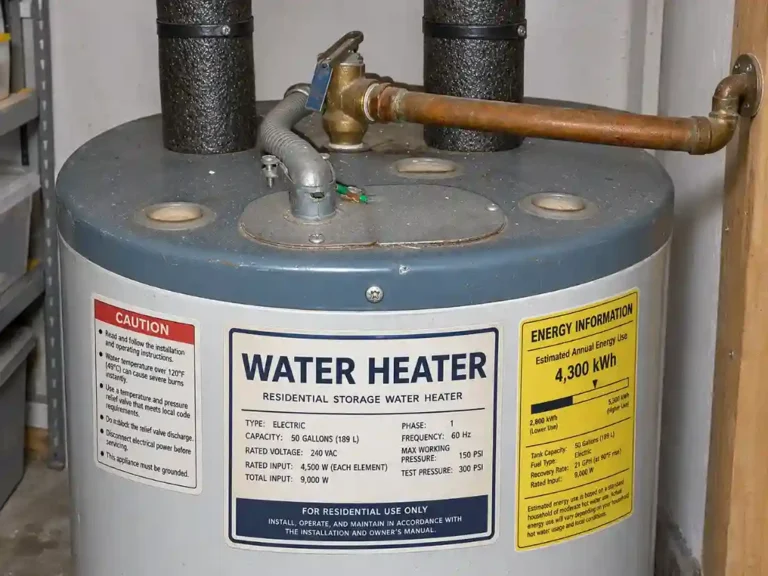
Featured image: edited illustrative image based on source photograph by Tim Evanson (CC BY-SA 2.0). The image is illustrative, not a Creekline Plumbing job photograph.