High Water Bill in Queen Creek, AZ but No Visible Leak?
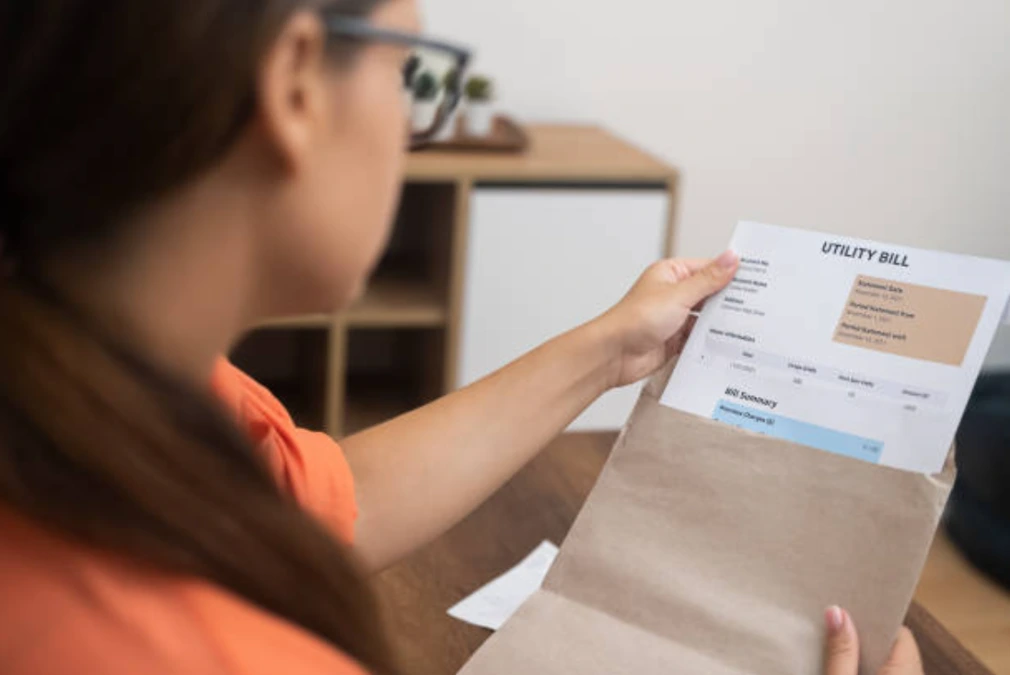
Your water bill is higher than usual, but the floors are dry, the faucets are off and nothing looks broken. Before scheduling plumbing work, compare the gallons on your current bill with an earlier billing period. A higher charge does not always mean more water passed through the meter.
For a Queen Creek homeowner, the first question is whether the increase came from consumption, utility charges or both. Those explanations lead to different next steps.
Compare the gallons before comparing the dollars
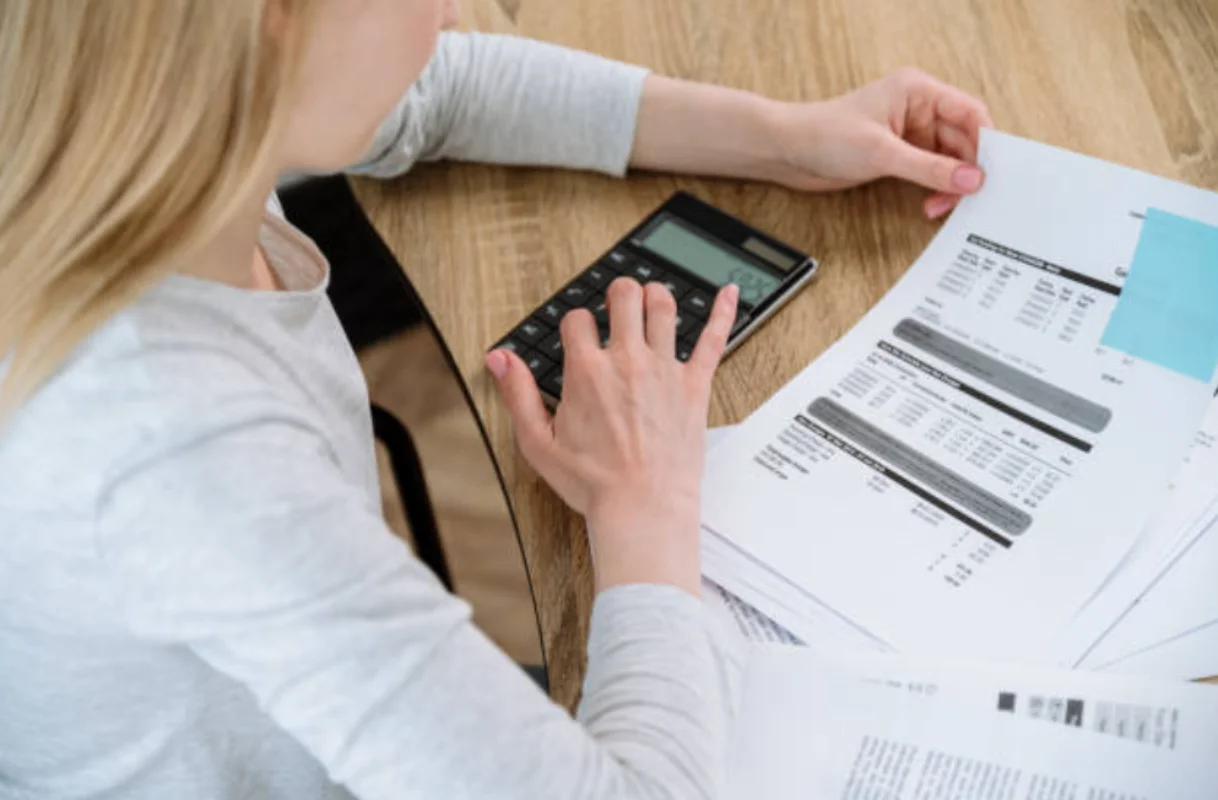
Place the current bill next to a bill from a similar season. Check the number of gallons used, the service dates and the separate charges. A longer billing cycle can mean more gallons billed even when daily use has stayed similar. A different rate can raise the amount owed without a matching increase in usage.
- Gallons used: Compare actual water consumption rather than only the total due.
- Billing days: Count the days in each statement period. Divide the billed gallons by the days for a more useful comparison.
- Individual charges: Look for water, wastewater, solid waste, adjustments or other account items, depending on your provider.
- Season and household activity: Consider additional occupants, new landscaping, a pool refill or a change in outdoor watering.
For example, 12,000 gallons over 30 days equals 400 gallons per day. The same 12,000 gallons over 35 days averages about 343 gallons per day. Neither figure diagnoses a leak; the comparison simply prevents the billing-period length from distorting the picture.
Why a Queen Creek water bill may rise even when usage looks normal
The Town of Queen Creek approved a 15% water rate increase in July 2025. It took effect August 27, 2025, with the change reflected on bills beginning in the October 7 billing cycle. At the time, the Town estimated an increase of about $3 to $6 per month for most residential customers.
That figure describes the 2025 adjustment. It is not a prediction of what your bill should be in 2026. The Town has also discussed additional water resource fees and rate changes. Check the charges on your actual bill and the utility’s current published rates before attributing the difference to any one increase.
Do not assume the Town is your provider. Queen Creek and surrounding addresses are served by different water companies. The Town’s Local Water Providers page helps residents identify the supplier for their property. Billing rules, account tools and meter practices are provider specific.
When the gallons really have increased
If your daily water consumption is substantially higher than it was during a comparable period, look for changes that could explain the extra gallons. Start with equipment that runs without someone opening a faucet.
Outdoor watering and pool filling
Review the irrigation controller’s watering days, start times and station durations. Check whether a landscape contractor changed the schedule. Pool autofill equipment can replace water without drawing attention because the pool level remains steady. A malfunctioning irrigation valve or damaged drip tubing can also send water into the soil without making a puddle on the patio.
The Town’s Residential Water Use Calculator estimates household consumption from fixtures, landscaping and pool characteristics. Its assumptions are estimates, not a replacement for the actual meter reading.
Toilets and automatic household equipment
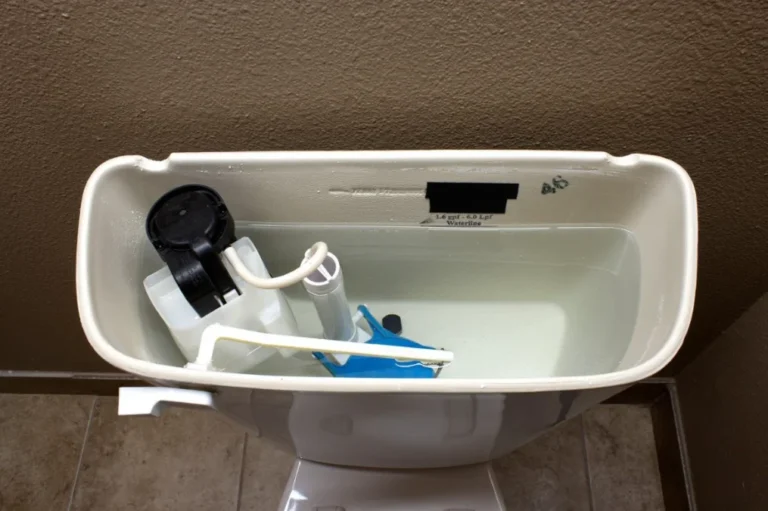
A toilet with a worn flush valve seal may refill between normal uses. A water softener can use water during regeneration, and a reverse osmosis system sends some water to its drain during operation. What matters is whether those systems are operating as designed.
For detailed checks of toilets, pool autofill, irrigation and water treatment equipment, use the separate guide on why a house can consume water with every faucet off. That investigation is different from comparing charges on a bill.
What a water meter check can tell you
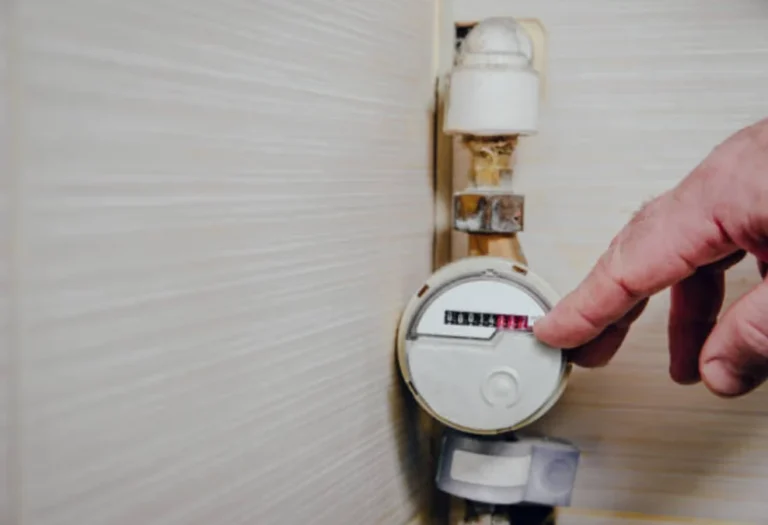
The Town publishes a Home Water Leak Check for its water customers. Its approach is to stop intentional indoor and outdoor use, record a meter reading, wait at least one hour without using water, then compare readings.
A higher reading means water passed through the meter during the test. It does not establish whether the cause is a toilet, irrigation, pool equipment or concealed piping. One test also can miss an intermittent problem.
This article is about understanding the bill. The separate water meter guide explains the Sensus iPERL display, the one-hour test and how to interpret isolation checks without disturbing utility equipment.
Water charges and sewer charges are not the same
For qualifying single-family customers receiving Town sewer service, residential sewer fees are based on 70% of water consumption billed over three winter billing cycles, each lasting 28 to 35 days. Those cycles may include parts of November, December, January and February. The resulting sewer average is updated annually in July.
A significant leak or pool fill during the averaging period may be a qualifying event for a Town sewer fee adjustment review. Approval is not automatic. The Town’s 2026 guidance says adjustments requested after July 7, 2026 affect future bills only, rather than prior billing cycles.
A sewer adjustment is also not a general refund for water consumed. If the account is served by another utility, check that provider’s rules instead.
Should you contact the utility or a plumber?
| What you found | Who to contact or what to check |
|---|---|
| Gallons are similar but the amount due is higher | Ask the water provider about rates, billing dates and account charges. |
| Gallons rose after a watering schedule or pool change | Review the controller, pool fill and related equipment first. |
| The meter records unexplained usage during a no-use test | Rule out known automatic systems and consider a plumbing investigation. |
| There is wet drywall, water spreading across a floor or another active warning sign | Address the immediate hazard and arrange the appropriate help without waiting for the next bill. |
Keep the billing periods, gallons, daily averages and any meter observations together. They help the utility address account questions and help a plumbing professional understand unexplained water loss.
When the extra water cannot be explained
After checking the bill and known water-using systems, persistent unexplained consumption may warrant a plumbing assessment. See Creekline Plumbing’s leak detection service in Queen Creek for information about investigating suspected household plumbing leaks.
Frequently asked questions
Can a water bill go up without a plumbing leak?
Yes. Rates, billing-period length, irrigation, pool filling and household activity can all affect the amount billed. Compare gallons and charges separately.
Does a high bill mean there is a slab leak?
No. A high bill alone cannot identify a slab leak. It is a reason to compare water consumption and investigate other explanations.
Can I use Queen Creek’s rates if my address is in ZIP code 85142?
Only if those rates apply to the utility serving your address. Check the provider shown on your bill; several companies supply water around Queen Creek.
Will Queen Creek automatically refund a leak-related bill?
No. The Town describes a separate sewer fee adjustment review for certain qualifying events during winter averaging. Eligibility and water-bill charges need to be confirmed with the relevant utility.
Official references: 2025 water rate announcement; Local Water Providers; Town sewer billing and adjustments; Home Water Leak Check.