Why Is Water Being Used When All Faucets Are Off?
You turn off the sinks and showers, leave the house and still see water consumption on the utility account. The first places to check are systems that run without someone turning on a faucet: toilet tanks, irrigation valves, pool autofill and water treatment equipment.
Automatic water use is not automatically a leak. What matters is whether a toilet keeps refilling, a scheduled system runs longer than planned or a valve stays open after its cycle ends.
A toilet may refill even when nobody flushes it
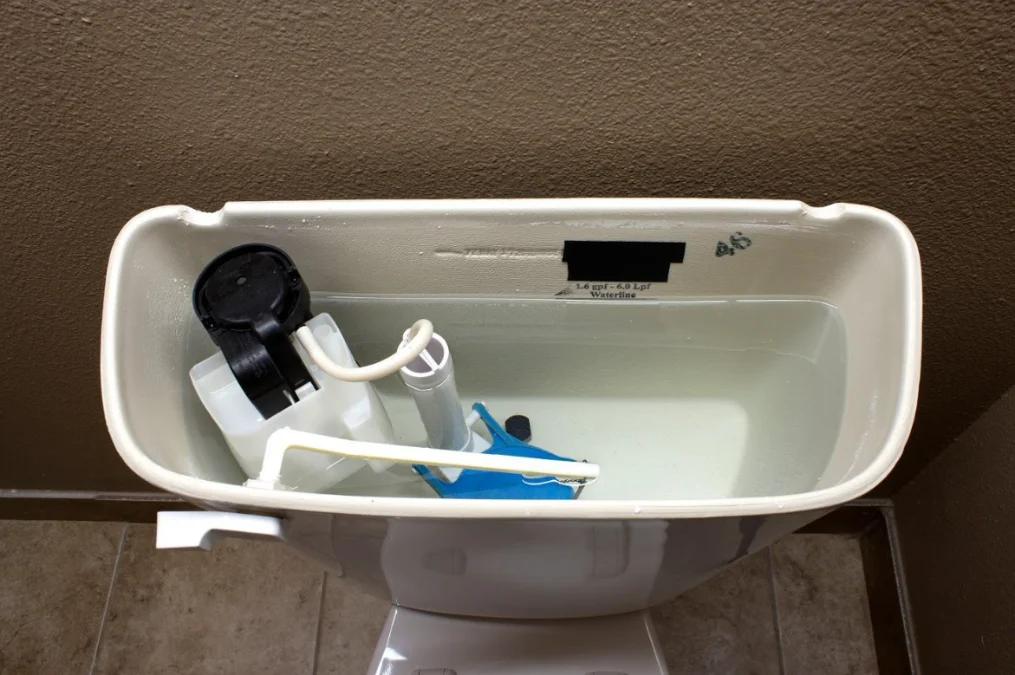
Inside a typical tank toilet, the flapper or flush valve seal should hold water until the flush. A worn seal can let water pass into the bowl. The fill valve then replenishes the tank. You might hear a short refill sound, but a slow leak can be almost silent.
The U.S. Environmental Protection Agency recommends a food coloring test. Put a few drops of food coloring or a dye tablet in the toilet tank, wait about 10 minutes without flushing, then check whether color reached the bowl. Flush afterward to prevent staining. Color appearing in the bowl points to a leaking tank seal.
Check each toilet separately. A toilet that continuously runs may also have a fill valve or overflow problem. An otherwise dry bathroom does not rule out water escaping from the tank into the bowl.
Check what the irrigation controller actually runs
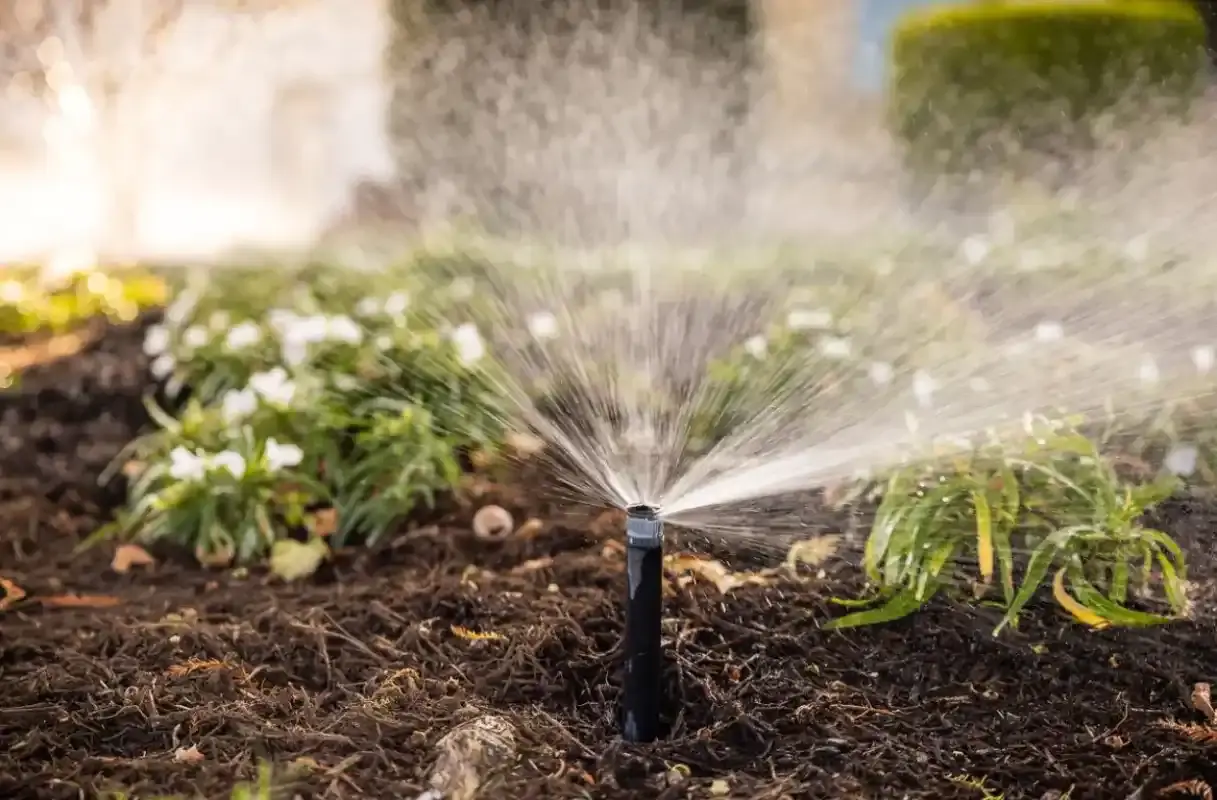
Queen Creek homes can have landscape irrigation programs that operate early in the morning or while nobody is outside. Inspect the controller’s active programs, station run times, watering days and start times. Multiple starts for the same program can add more irrigation time than expected.
Look for drip tubing disconnected beneath gravel, a wet irrigation valve box, a broken emitter near a tree or a sprinkler that continues running after its scheduled cycle. A stuck irrigation valve can allow flow even when the controller shows the program has ended. Water may soak into the soil without leaving a puddle.
The Town’s Residential Water Use Calculator states that outdoor water use averages about 50% to 70% of annual household consumption in the general estimate it uses. It also says landscape type and size make a substantial difference. The percentage is not a measured figure for every property in Queen Creek.
Metered irrigation versus delivered irrigation: The Town provides a separate scheduled irrigation service to some properties. It is not the same as a sprinkler controller supplied through a home’s domestic water meter. Confirm the water source and account arrangement before assigning irrigation use to your household bill.
Use the irrigation schedule as evidence
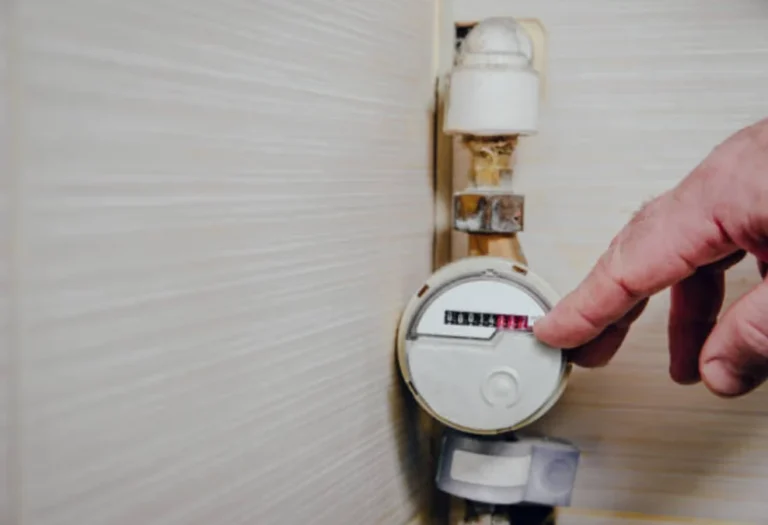
Write down when each station operates. If your water provider supports meter readings and it is safe to view the display, record a reading before and after a known irrigation cycle. The difference measures the water passing through that meter during the cycle. A station consuming far more than usual deserves a closer look for a valve or distribution problem.
A pool autofill can conceal frequent refilling
A pool’s automatic fill valve maintains a set water level. It can replace water lost to evaporation, splashing, maintenance or a leak. Because the level looks normal, homeowners may not notice how often the system opens.
Check the fill valve and recent pool maintenance. Compare its operation with hotter weather, backwashing and other water loss. An autofill that operates unusually often deserves investigation, but it is not proof that the pool shell or underground plumbing is leaking.
Pool equipment can have independent water supplies or plumbing configurations. Identify the supply arrangement before comparing it with the domestic meter.
Water softeners and reverse osmosis systems use water automatically
Water softener regeneration
A softener may use water during a scheduled regeneration cycle. Its control valve directs water through the treatment system and drain as part of the process. Check the model settings and whether the unit regenerates more frequently than expected or appears to drain continuously. Normal operation depends on the equipment, household demand and settings.
Reverse osmosis reject water
A reverse osmosis system normally sends some water to a drain while making treated drinking water. If an automatic shutoff valve or another component malfunctions, water may continue flowing unnecessarily. Follow the equipment manufacturer’s instructions for checks and repairs.
The Town’s Home Water Leak Check specifically identifies pool autofill, water softeners and reverse osmosis systems as equipment that can run in particular cycles and complicate a brief meter check.
Do not overlook refrigerator and appliance connections
Inspect accessible supply hoses and fittings for a refrigerator ice maker, dishwasher, clothes washer and other water-using appliances. A damp cabinet, a wet floor behind the appliance or a line that refills unexpectedly gives useful clues.
Do not pull out a heavy appliance or disturb an electrical connection merely to search for moisture. Use visible evidence and arrange help where access is unsafe.
Which system is using the water?
| Clue | Useful next check |
|---|---|
| Short refilling sound in a bathroom | Inspect the toilet tank seal and perform a dye test. |
| Water usage increases near a programmed time | Compare the timing with irrigation and softener schedules. |
| Pool stays at the same level but the fill valve runs often | Check autofill operation and pool maintenance history. |
| Wet gravel, mulch or an irrigation valve box | Inspect the corresponding irrigation zone while it operates. |
| No known equipment explains repeated water consumption | Use the provider’s meter-check guidance and consider household plumbing assessment. |
Make a short log of system start times, changes in water use and visible moisture. That can be more useful than checking every pipe in the house without a plan.
What if everything appears normal?
A silent toilet leak or intermittent valve problem may not show up while you are looking. That is why the timing matters. Check during the period when usage occurs rather than assuming one quiet hour clears every system.
If no automatic equipment explains the consumption, compare water meter readings during a controlled no-use period. The separate water meter guide covers that test and the limits of interpreting it. Do not turn unfamiliar or corroded valves simply to complete an investigation.
When the source remains hidden
If scheduled equipment and accessible fixtures do not account for repeated water loss, concealed household piping may need professional evaluation. Creekline Plumbing’s Queen Creek leak detection service explains when a plumbing investigation is appropriate.
Frequently asked questions
Can a toilet leak without water appearing on the bathroom floor?
Yes. Water can pass from the toilet tank into the bowl through a faulty seal. A dye test can help reveal it.
Can irrigation waste water without a puddle?
Yes. Water may soak into soil beneath gravel or mulch. The active station, run time and valve condition help narrow the issue.
Is it normal for a softener to use water overnight?
It can be normal during regeneration. Unexpectedly frequent cycles or continuous draining deserve a check against the unit’s instructions.
Does frequent pool autofill mean the pool is leaking?
Not necessarily. Evaporation, splash-out and maintenance also affect the water level. Unusually frequent filling calls for investigation, not an automatic leak diagnosis.
Official references: EPA WaterSense home maintenance; Queen Creek Residential Water Use Calculator; Town Home Water Leak Check.