
Water Heater Replacement & Installation
Queen Creek, AZ
A leaking water heater tank, frequent breakdowns, or not enough hot water are common reasons to consider replacement. The right tank size helps provide a steady supply of hot water for your household.
Water heater replacement and installation involve selecting a new tank water heater and installing it safely. Available space, daily water use, and existing plumbing connections guide the installation.
Replacing an old tank or installing a new water heater?
The old tank is leaking, hot water no longer keeps up with the household, or a renovation needs a water heater in a different location. Replacing an existing unit and installing one in a new space may sound similar, but the plumbing, energy connections and permit scope can be very different.
Creekline Plumbing’s residential water heater replacement and installation service in Queen Creek, AZ 85142 focuses on selecting and fitting an appropriate storage-tank unit, planning any connection changes, and checking the completed installation. The starting point is the household’s hot-water demand and the equipment already on site—not an automatic recommendation for the biggest tank.
Looking for a repair to the heater you already own? Failed heating elements, ignition controls and serviceable valve problems belong on our Water Heater Repair page. This page is about a replacement unit or a new installation.
Replace an existing tank
Compare the old unit with the proposed replacement, including space, fuel supply, capacity and removal.
Choose a different size or fuel type
Check first-hour hot-water delivery and whether gas, venting or electrical work changes.
Install a heater in a new location
Plan supply lines, safe drainage, access, energy connections and the appropriate local approvals.
Water heater replacement in Queen Creek, AZ
When an older tank is being removed, a replacement should match the home—not simply the old sticker. A leaking tank body generally points toward a new unit; if the cause of the water isn’t confirmed, the supply connections, drain valve and nearby piping should be distinguished from the tank shell before the replacement is approved.
A same-location swap may still require changes to venting, the water shutoff, relief-valve discharge, expansion control or electrical connections. A larger model may not fit the existing space, and a different fuel type is not a like-for-like exchange.
- Failed or leaking storage tank Confirm the tank’s condition, safe shutdown and removal before fitting the new model.
- Aging equipment that no longer fits demand Compare model efficiency, capacity, recovery and first-hour rating instead of replacing by age alone.
- Replacement while renovating Coordinate the new heater’s location, equipment access and hot/cold line connections before finishes are completed.
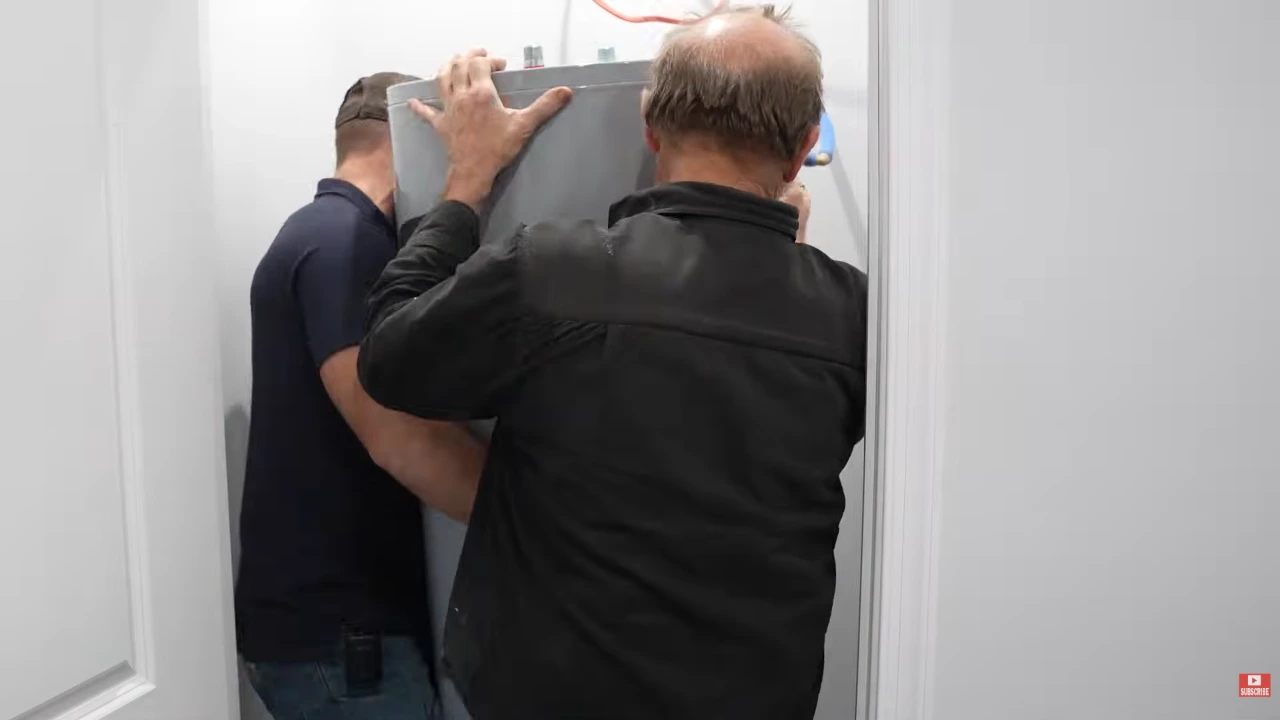
New water heater installation in Queen Creek, AZ
Installing a water heater where there wasn’t one before takes more planning than exchanging an old tank. The proposed location must support the equipment’s water, energy, drainage and service-access requirements.
Water and equipment connections
Plan hot- and cold-water lines, a suitable shutoff, correct relief-valve discharge routing, drainage provisions where required and any thermal-expansion controls appropriate to the system. Connection changes should be included in the written installation scope.
Location and service access
A garage, utility room or other proposed space needs the right clearance for the chosen model, safe access to service points and a realistic route for water lines. Moving the heater can add wall openings, pipe runs and finish work.
Gas, venting and electrical work
A gas heater needs a suitable fuel supply, approved venting and combustion provisions. Electric models require the appropriate supply circuit and equipment connections. A fuel-type conversion can involve work beyond a standard plumbing swap. For a new gas supply branch or a relocated gas line, see our gas line installation and rerouting.
Buying the water heater yourself?
Share the exact model number and installation manual before ordering. Two heaters with the same gallon rating can differ in height, diameter, vent configuration, electrical demand and required clearances.
Scope distinction: Replacing a damaged burner or thermostat is repair work. Specifying and fitting a new storage-tank heater—whether gas or electric—is replacement or installation work.
40 gallons, 50 gallons—or a different first-hour rating?
A storage tank’s gallon capacity isn’t the whole story. First-hour rating (FHR) describes the hot water a fully heated storage system is expected to deliver over its first hour of use. Recovery performance, fuel type and efficiency affect that rating.
Think about the home’s busiest hour: back-to-back showers, laundry and dishwashing that may overlap. A growing family or a new bathroom can change the load; simply choosing a larger tank without checking its FHR may not solve the problem.
Compare the prospective model’s FHR, capacity, installation dimensions and Uniform Energy Factor (UEF) using its specification and EnergyGuide information. UEF helps compare rated efficiency within the appropriate equipment category; it isn’t a substitute for hot-water delivery or an installation assessment.
Gas, electric and heat-pump storage options
The right model depends on the home’s existing systems, installation space and hot-water demand. These are equipment comparisons—not a claim that every fuel conversion or specialty installation is automatically available.
Gas storage-tank models
Compare burner and recovery performance, gas supply, venting type and combustion-air requirements. A replacement with different venting may change installation scope substantially.
Electric resistance tanks
Confirm circuit capacity, electrical connections, access and first-hour performance. Switching from gas to electric can require separate electrical work and safe retirement of existing gas/vent connections.
Heat-pump water heaters
These electric storage models can have lower energy use, but need model-specific airflow, space, condensate drainage and electrical planning. Confirm product suitability and provider capability before choosing this option.
Considering a tankless conversion? The sizing, gas/electrical demand and venting can be different. See Tankless Water Heater Services rather than treating it as a standard tank replacement.
What a complete tank installation scope should include
Whether it’s a straight replacement or a new location, the written scope should identify the equipment, supporting connections and the finished result. An advertised heater price alone doesn’t explain the complete job.
| Part of the project | What to confirm in writing |
|---|---|
| Water connections | Hot/cold piping, accessible shutoff, fittings and any required changes to existing lines. |
| Gas or electrical | Approved gas connection and venting, or the required circuit and electrical connections for the selected model. |
| Safety and drainage | Temperature-and-pressure relief discharge, expansion control where applicable, drain pan or drain routing where required. |
| Old heater removal | Who disconnects, moves and disposes of the existing tank, including difficult access or lifting. |
| Approvals and restoration | Permit and inspection arrangements; whether drywall, cabinets or other finished surfaces are included. |
| Startup and handover | Equipment checks, temperature/controls explanation, manufacturer documents and warranty information. |
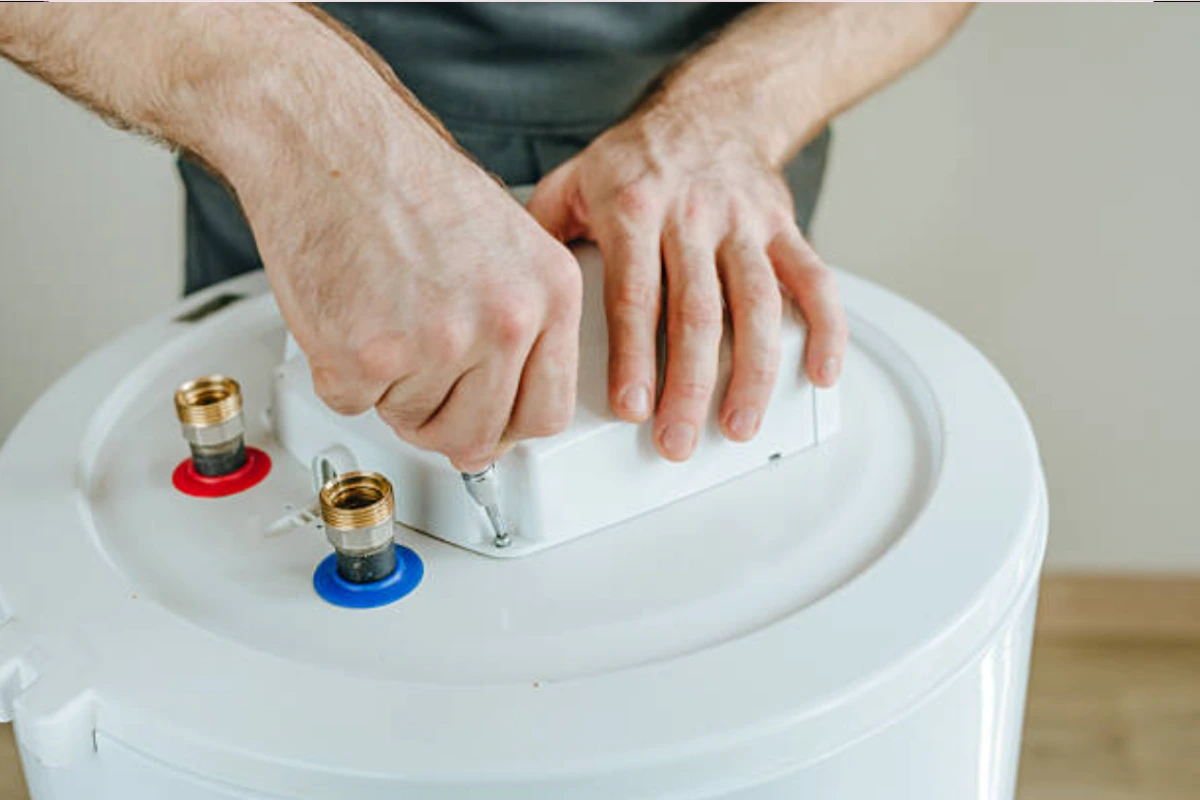
Water heater permits in Queen Creek
The Town of Queen Creek lists water heater installations as permit-required work. For work under the Town’s jurisdiction, confirm who will obtain the permit and arrange any inspection before scheduling installation.
A Queen Creek postal address or ZIP 85142 does not establish jurisdiction for every property. A home outside the Town’s permitting authority may follow the applicable county or another jurisdiction’s process. Confirm this for the actual address, especially when relocating a heater or changing fuel type.
Queen Creek water hardness and a new tank
For customers on the Town’s water system, the Town reports 6–17 grains per gallon of hardness. Mineral deposits can affect water-heater upkeep, so the selected model’s maintenance and flushing guidance matters after installation.
Not every Queen Creek home uses the same water provider. Hardness doesn’t, by itself, determine which gallon capacity to buy or whether a heater must be replaced. A separate water softener evaluation may make sense for ongoing household scale concerns.
Town of Queen Creek water FAQs
From equipment selection to hot water at the tap
A planned replacement has a different workflow from troubleshooting a failed part. Each stage below helps clarify what happens before and after the new unit is installed.
Confirm the existing setup
Record the old heater model, location, fuel supply, connections and the household’s current hot-water needs.
Choose equipment and confirm scope
Review FHR, capacity, physical fit, efficiency, permit needs, new connections, old-tank removal and exclusions.
Remove and install the tank
Isolate equipment safely; complete the planned installation and necessary safety components according to the approved scope.
Inspect, start up and hand over
Check connections, operation and required inspections; explain shutoffs, controls, warranty paperwork and maintenance considerations.
Water heater replacement cost in Queen Creek, AZ
Changing a same-size tank in an accessible location can have a different scope from installing a larger model, relocating equipment or switching fuel types. The new heater’s price is only one part of the project.
Compare quotes by the exact model, included fittings, vent or circuit changes, old-tank disposal, permit responsibility and any additional trade or finish work. The unit’s efficiency and expected operating costs also matter when comparing alternatives.
Questions to ask about the estimate
- Is the specified heater and model included in the quoted price?
- Are old-unit removal, disposal and difficult access covered?
- Do permit fees, inspection coordination and safety components appear in the scope?
- What gas, vent, electrical, drywall or other work is excluded?
- Which changes require approval before additional charges?
Estimates are available. Confirm whether any diagnostic visit, specialized assessment or additional work is billed separately before authorizing it.
Check the installation before the project is closed
After the new tank is installed, the relevant supply connections should be checked for leaks, the temperature-and-pressure relief discharge and other safety components verified, and the equipment started according to its instructions. The hot-water system needs time to heat before performance is evaluated.
Ask for any required inspection status, the new model’s serial and warranty information, the shutoff location, basic operating guidance and any separate restoration work. Appropriate water-temperature settings and anti-scald measures should be discussed based on manufacturer instructions and household needs.
Active water spreading or a suspected gas leak? Treat that as an urgent safety issue rather than routine installation planning. Avoid electrical hazards; if gas is suspected, leave the building and contact the utility or emergency services from a safe location. For urgent plumbing water damage, see Emergency Plumber. Emergency calls are accepted 24/7; arrival availability is confirmed when calling.
Water heater replacement and installation FAQs
What is the difference between water heater repair and replacement?
Repair works on the existing equipment, such as a serviceable control, heating element or connection. Replacement removes the old heater and installs a new unit. This page is for new equipment and installation scope; see Water Heater Repair for an existing unit with an unresolved fault.
Does a leaking water heater always need a new tank?
No. A fitting, nearby supply line or drain valve can cause water near a heater. If the storage tank shell itself has failed, replacement is generally the appropriate direction. Identify the source before committing to new equipment.
Can I replace a 40-gallon tank with a 50-gallon tank?
Possibly. Check available space, the new model’s dimensions, connections and first-hour rating. Changing gallons without comparing household demand and delivery can produce disappointing results.
What if my family needs more hot water than before?
Review peak one-hour demand, the model’s first-hour rating and recovery performance. Back-to-back showers and overlapping household uses may justify a different performance specification, not necessarily just a larger tank.
Can a gas storage heater be replaced with an electric one?
It may be possible, but the electrical capacity, existing gas connection, vent termination and the selected model’s requirements must be evaluated. A fuel conversion is not automatically included in a standard water-heater replacement.
Can a heat-pump water heater replace my conventional tank?
It can be an option where model-specific electrical, space, airflow, noise and condensate requirements are satisfied. First verify that the actual installation provider offers that equipment and that the proposed room is suitable.
Does water heater installation need a permit in Queen Creek?
The Town lists water heater installations as permit-required work within its jurisdiction. Confirm which authority governs the property’s address, and clarify who handles permits, fees and inspections in the installation estimate.
Is removing the old water heater part of installation?
Not automatically. Confirm removal, access, hauling and disposal in writing. A heater in a tight closet or elevated location can require different handling from a readily accessible garage unit.
How long will I be without hot water during replacement?
The period depends on site access, connection changes, inspections and the new model’s heating time. Request a job-specific schedule and planned water shutoff instead of relying on a universal time estimate.
Can I buy the water heater and hire someone to install it?
Ask the contractor to review the exact model and manual before purchase. The unit needs to fit the location and satisfy the home’s connection, venting or electrical requirements. Clarify equipment-warranty and labor responsibilities.
Does a new heater include a new shutoff, drain pan or expansion tank?
Those items depend on the actual system, model, code requirements and agreed scope. Ask which components are included or need to be added before the installation begins.
When a different water heater service fits better
Plan your water heater replacement or new installation
Replacing a failed storage tank or installing a water heater in a new location? Share the current model, available space and the household’s hot-water needs. The next step is to review the equipment, installation connections and written scope for your Queen Creek, AZ 85142 home.
Call (480) 741-9220